

Fireplace Conversion: Optimizing Gas Log Placement for Energy Flow
Converting a fireplace from wood to gas is a popular home upgrade as more Pennsylvanians look for cleaner-burning options while still enjoying the classic ambiance of a fire. There is more to a professional fireplace conversion than just installing a gas log set. It also requires optimizing the placement of the gas logs to ensure maximum performance and efficient energy flow.
Gas Log Set Vs. Fireplace Insert: What’s the Difference?
The first decision in a wood-to-gas conversion is to decide between a Gas Log Set and a Gas Insert. The choice largely determines the unit’s heating efficiency and the energy flow you can expect.
Gas Log Set:
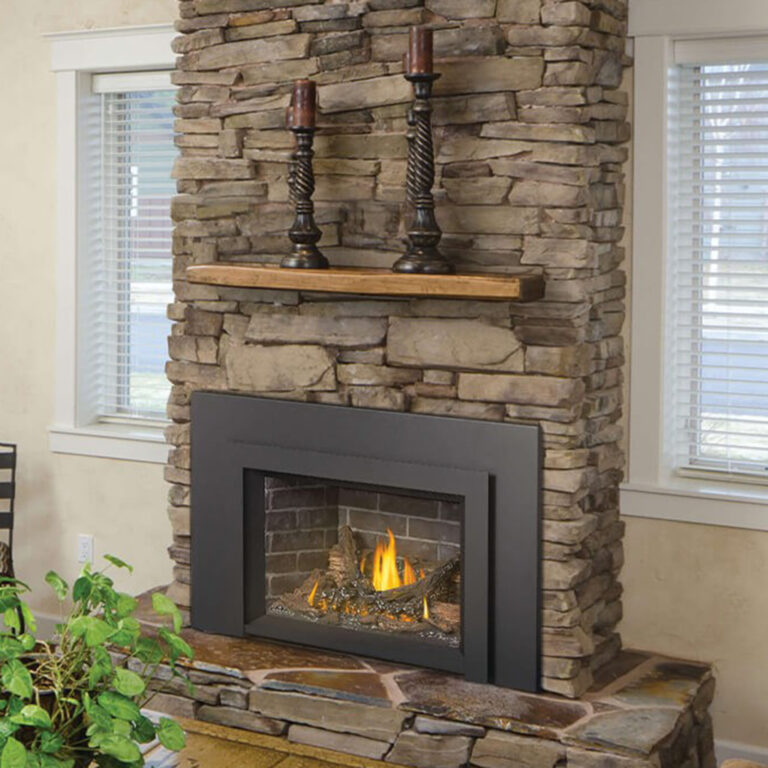
The set includes a gas burner and ceramic logs (made from refractory cement or clay) that are installed inside your existing wood-burning firebox.
- Pros: Highly realistic, generally lower initial cost, and more straightforward installation. Many models offer radiant heat during a power outage.
- Cons: Less efficient for heating. Because they operate with the chimney damper open (for vented logs), most of the heat flows up the flue. They are primarily for ambiance.
Fireplace Insert:
A gas insert is essentially a fireplace in a box. It has a sealed combustion chamber enclosed in a fire-resistant metal casing, which fits directly into the existing fireplace opening. The insert features a sealed glass front that offers a large viewing area of the flames.
- Pros: High efficiency. Inserts are designed to radiate significant heat into the room (often 70% to 80% efficient) and can operate as a primary heat source. They offer a cleaner burn.
- Cons: Higher upfront cost and often requiring electric power for operation.
Why Convert to a Gas Fireplace
Many homeowners choose a gas conversion for a blend of convenience and environmental benefits, including:
- No-Fuss Operation: Gas fireplaces are incredibly easy to use. Just flip a switch or press a button on a remote for instant flames and heat—no more gathering wood or tending a fire.
- Cleaner-Burning: Gas burns much cleaner than wood, producing significantly fewer particulate emissions, improving indoor and outdoor air quality.
- Low Maintenance: Gas produces significantly less creosote than wood, so it doesn’t require frequent chimney sweeping. Just an annual inspection to ensure there are no gas or carbon monoxide leaks and to optimize log placement for energy flow.
- Adjustable Thermostat: A built-in thermostat makes it easy to maintain a comfortable temperature. The unit will automatically shut off and restart to keep the temperature just like a central furnace.
Fireplace Conversion Process
A professional wood-to-gas conversion ensures safety, compliance with NFPA standards and codes, and peak operating performance.
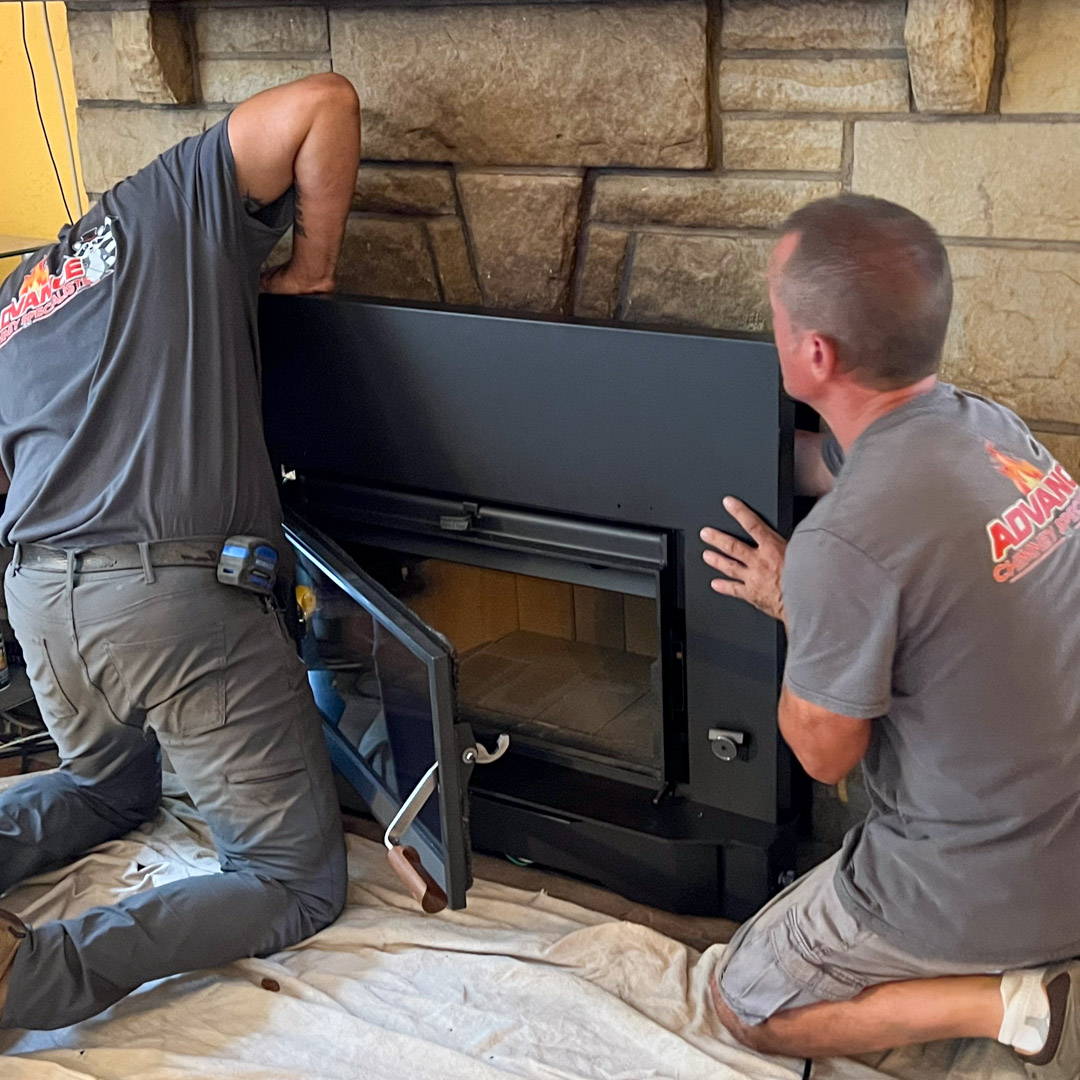
- Chimney & Fireplace Inspection: A technician assesses the existing fireplace, chimney, and flue system, verifying access to a natural gas line or planning a propane connection.
- Gas Line Installation: A qualified gas technician runs a dedicated, appropriately sized gas line to the firebox location.
- Unit Installation: The burner and log grate are installed. The gas logs are placed strictly according to the manufacturer’s pattern.
- Gas Log Placement: Logs are positioned according to the manufacturer’s specifications to ensure adequate spacing between them and a sufficient oxygen supply around the flame. This placement maximizes the clean burning of gas and minimizes the production of soot or carbon monoxide.
- Testing and Clean Up: The technician thoroughly tests the gas lines for leaks, confirms the ignition system is working, and verifies that there is sufficient ventilation to maximize energy efficiency and safety.
Gas Log Maintenance
A qualified technician should perform an annual inspection to check the vent system, clean the burner ports, ensure the gas lines are secure, and verify all safety mechanisms (ODS, thermocouples) are functioning correctly. The technician will also perform:
Log Repositioning
Vibrations from use or cleaning can cause the logs to shift. Always handle gas logs with care to avoid cracks or scratches, and return them to their precise positions as specified by the set’s manufacturer to maintain optimal energy flow and appliance performance.
Gas Fireplace Cleaning
Gently dust the logs and clean the appliance as instructed by the manufacturer. Gas inserts with glass doors may require occasional internal glass cleaning to remove gas residues and maintain a clear view.
Professional Wood to Gas Fireplace Conversion in Pittsburgh
As the most trusted chimney sweep company from western Pennsylvania to north-central West Virginia, Advanced Chimney Sweeps is the top choice for all your chimney and fireplace needs, including fireplace conversions, gas log set installations, chimney inspections, and more. We proudly serve the Greater Pittsburgh region, including Rennerdale, Bellevue, Jefferson Hills, and Kingwood, WV. Contact us to schedule an appointment today!