

Benefits of Chimney Waterproofing This Spring
As winter winds down, many homeowners start thinking about their fireplace a little less. The long nights by the fire are mostly behind us, and the chimney probably won’t see much action again until the weather turns cold. That actually makes this time of year a good moment to think about taking care of the chimney itself.
One of the most effective ways to protect a chimney and extend its lifespan is professional chimney waterproofing. It may not be the most glamorous home improvement project, but it can prevent some very expensive problems down the road. Let’s look at some benefits of chimney waterproofing this spring.
Water Is a Chimney’s Worst Enemy
Chimneys spend their entire lives outside. They deal with rain, humidity, wind, and sun year after year. Over time, those elements slowly wear down the masonry. Brick might look solid and indestructible, but it’s actually quite porous. After years of exposure to sun and wind, the bricks in a chimney can dry out and become even more absorbent. When it rains, those bricks can soak up moisture like a sponge. That moisture is where the real trouble begins.
The Freeze–Thaw Cycle Can Break Masonry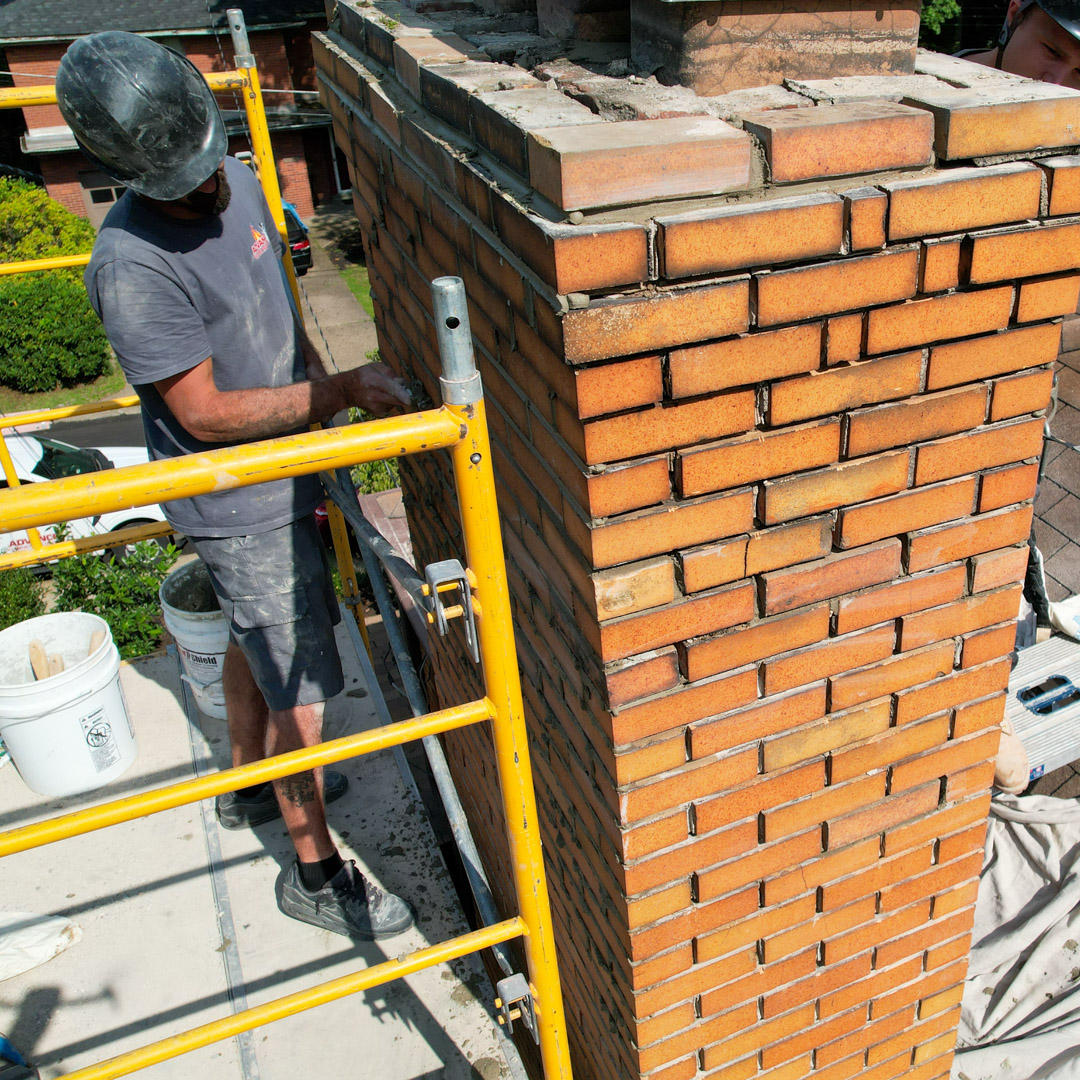
In colder weather, water that has soaked into brick and mortar can freeze and expand. When temperatures rise again, the ice melts and the materials contract. This constant cycle of freezing and thawing puts stress on the masonry. Over time, bricks may crack, crumble, or flake. This type of deterioration is called spalling, and once it starts, it rarely gets better on its own.
Waterproofing helps prevent this cycle by keeping excess moisture from entering the masonry in the first place.
Water Damage Can Increase Fire Risk
Water damage doesn’t just affect how a chimney looks—it can also affect how it performs. When bricks and mortar begin to deteriorate, the chimney’s structure can change. Gaps, cracks, and blockages may impede proper airflow through the flue.
Poor airflow can allow creosote to build up more quickly. Creosote is the sticky, highly flammable substance produced when wood burns. If enough creosote collects inside a chimney and a hot ember reaches it, a chimney fire can occur. Keeping moisture out of the masonry helps maintain the chimney’s structural integrity, which in turn helps it vent smoke and gases properly.
Waterproofing Helps Extend the Life of the Chimney
The biggest benefit of chimney waterproofing is fairly simple: it helps the chimney last longer. By preventing water from penetrating the bricks and mortar, waterproofing reduces damage from weather and seasonal temperature changes. That means fewer repairs and a better chance that the chimney will remain solid and safe for many years. For homeowners who plan to stay in their homes long-term or eventually pass the home on to someone else, protecting the chimney is simply good maintenance.
How Chimney Waterproofing Works
Professional chimney waterproofing isn’t just a quick spray-and-go job. A reputable chimney service will follow several steps to make sure the work is done correctly.
Chimney Inspection
Before anything else, the chimney is carefully inspected. Technicians look for cracked bricks, damaged mortar joints, and other signs of wear that need attention before waterproofing can begin.
Cleaning the Chimney Exterior
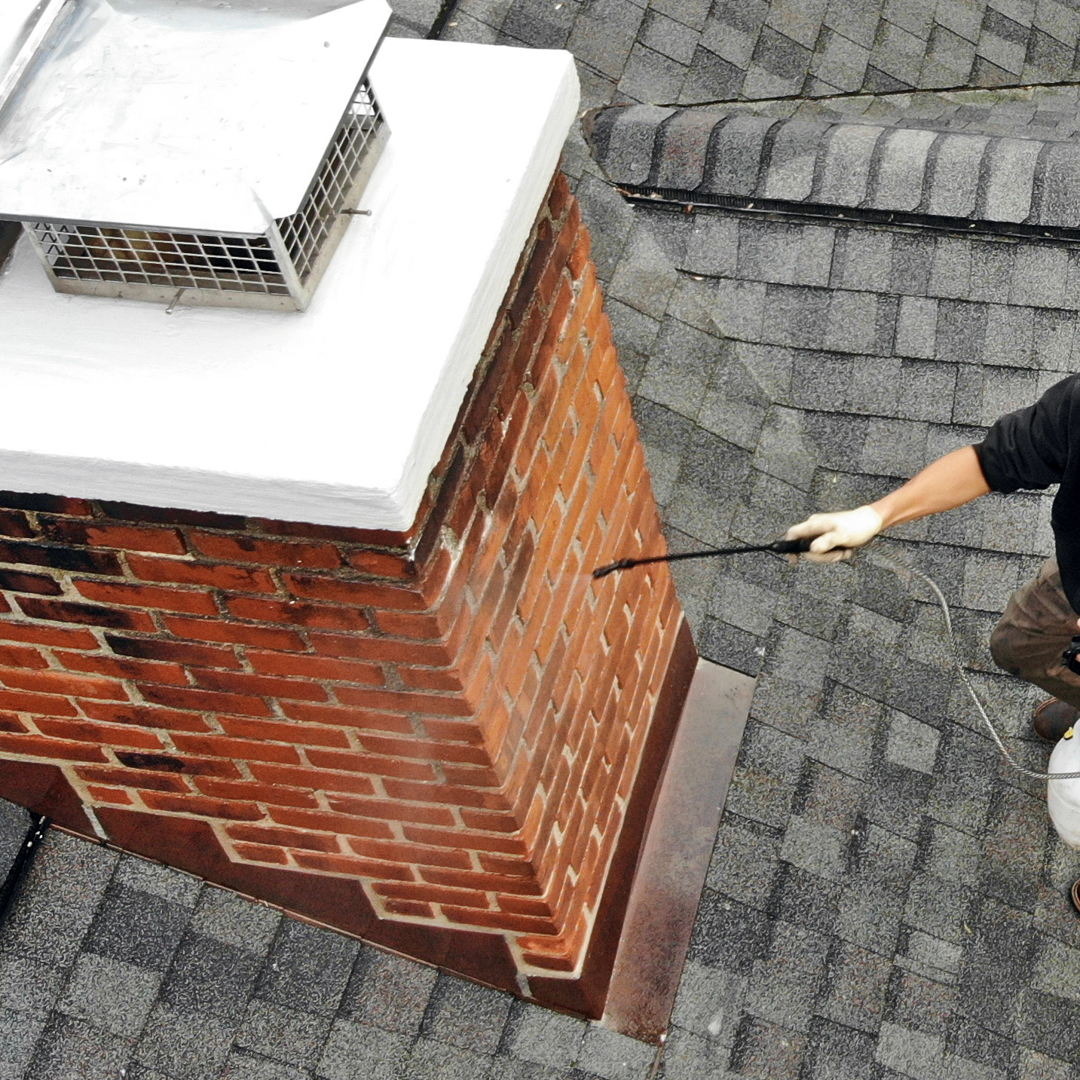
The outside of the chimney needs to be clean for the waterproofing sealant to bond properly. Dirt, moss, algae, and other buildup are removed, leaving the surface ready for treatment.
In some cases, the chimney may need pressure washing if there is heavy buildup.
Repairs if Needed
If the inspection reveals damaged bricks or mortar, those repairs are completed first. Any new mortar or masonry must cure before the waterproofing product is applied.
Applying the Waterproof Sealant
Once the chimney is clean and repaired, a specialized breathable waterproof sealant is applied to the masonry. These sealants are designed specifically for chimneys. They keep water from entering the bricks while still allowing trapped moisture inside the masonry to escape. This balance is important for maintaining the chimney’s health. After the sealant is applied, it needs time to cure before the process is complete.
A Little Prevention Goes a Long Way
Chimneys work hard every winter, but they spend the entire year standing up to the weather. Waterproofing is one of the best ways to protect that structure from the constant effects of rain, humidity, and temperature changes.
In the long run, keeping water out of the masonry can help prevent costly repairs, reduce the risk of structural problems, and keep the chimney functioning as it should. And when the colder months return, it’s always nice knowing the fireplace and the chimney above it are ready for another season.
We Can Keep Your Chimney Clean and Allergy-Friendly
Don’t let soot, creosote, or mold in your chimney cause trouble for your allergies; contact us today to schedule an appointment. We can clean your chimney so that no mold or strong odors plague your home. Don’t add your fireplace to your list of spring allergies; reach out to us right away.