
Are You Using Your Damper Correctly?
Yes, a furnace can keep your home comfortable during winter, but there’s nothing quite like a roaring fire from a real fireplace. But if you’re using it with the damper set incorrectly, you may be losing out on a lot of heat. Many homeowners aren’t entirely sure what their fireplace damper does, let alone whether or not they’re using it correctly. If this sounds like you, this blog is for you.
Here’s what you need to know about fireplace dampers, how they work, and how to use them correctly, not just during winter, but all year-round.
What Is a Fireplace Damper, Anyway?
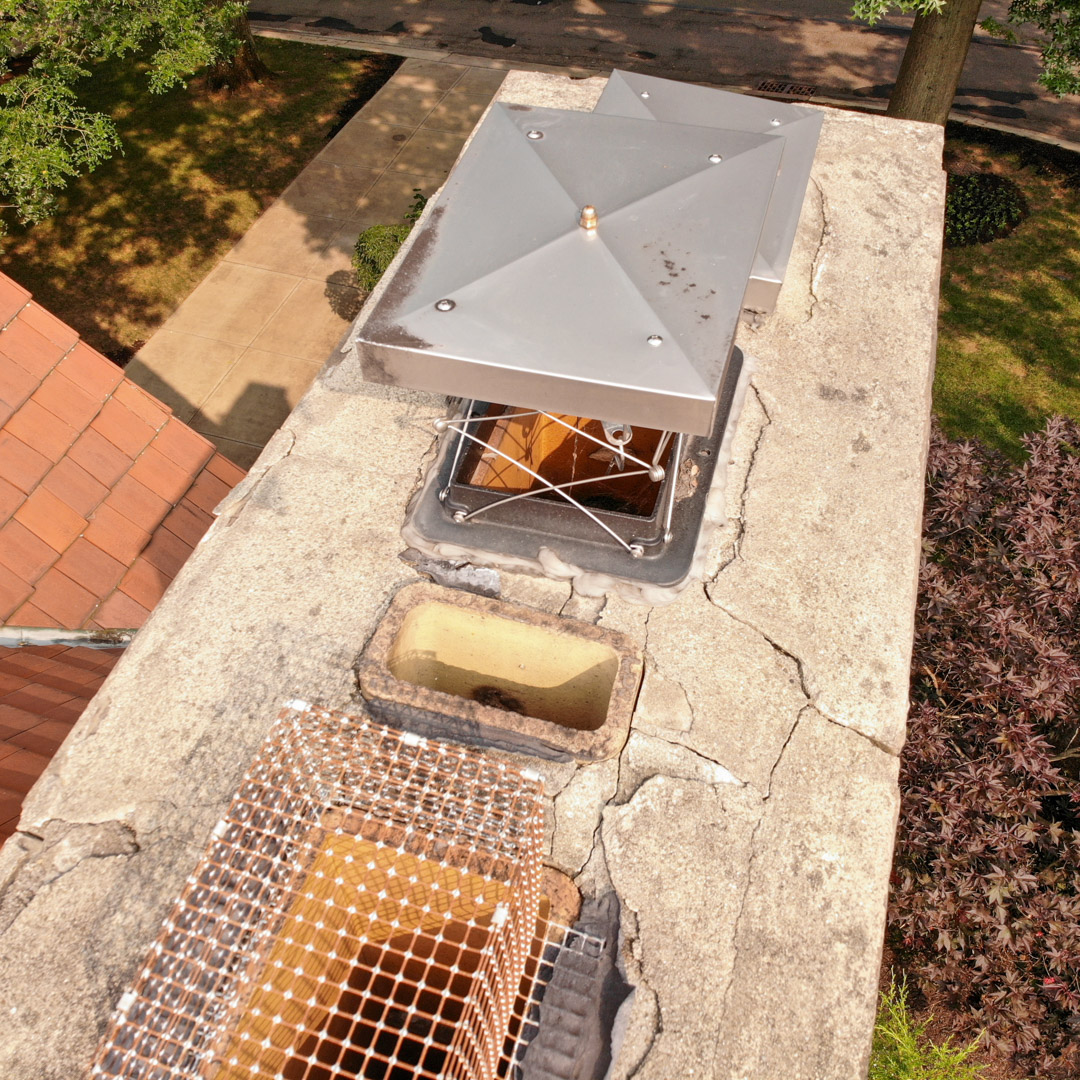
The damper is a movable metal plate located inside the chimney flue. Its job is to control airflow between the fireplace and the outside. When open, it allows smoke, gases, and combustion byproducts to vent safely out of your home. When closed, it seals off the chimney to prevent drafts, heat loss, and outdoor air from coming inside.
There are two main types of dampers:
Throat dampers typically sit above the firebox and operate via a lever or handle.
Top-sealing dampers are installed at the top of the chimney and are operated by a cable inside the firebox.
Both serve the same purpose, but how you use them—and when—matters.
The Most Important Rule: Open Before You Burn
If you only remember one thing, make sure it’s this: the damper must be fully open before you light a fire.
Burning a fire with the damper closed or partially closed prevents smoke and dangerous gases like carbon monoxide from escaping. This can cause smoke to pour back into your home, and in severe cases, become a serious health hazard. Always check the damper position before lighting a fire, even if you “know” it was open the last time.
Don’t Forget to Close it After the Fire’s Out
Once you’ve extinguished the fire and the ashes are cold, close the damper. Leaving it open turns your chimney into an open window, slowly allowing heat to escape in winter and pulling hot air inside during summer.
An open damper can increase heating and cooling costs, create cold drafts, allow rain, pests, or debris into the chimney, and contribute to moisture issues inside the flue.
Many homeowners are shocked to learn how much energy loss an open damper can cause, even when the fireplace isn’t being used.
Seasonal Damper Use: Winter vs. Summer
In winter, the damper should remain closed when the fireplace isn’t in use. Open it only when you’re actively burning a fire and close it again afterward.
In summer, the damper should almost always stay closed. Warm, humid air entering through an open chimney can cause condensation, musty odors, and damage to the flue liner or firebox.
If you notice a persistent smoky odor or damp smell during warmer months, an open or poorly-sealing damper may be the cause.
 Signs Your Damper Isn’t Working Correctly
Even if you’re using the damper correctly, it might not be doing its job if it’s damaged or worn out. Common warning signs include:
- Smoke is entering the room despite the damper being open
- Visible rust, warping, or cracks
- Cold drafts coming from the fireplace
- Debris getting into the firebox
A damper that doesn’t seal tightly can undermine your efforts, no matter how careful you are.
Do You Need an Upgrade?
Old throat dampers are notorious for poor sealing. If your home has an older fireplace, upgrading to a top-sealing damper can significantly reduce drafts and energy loss. These dampers act like a chimney cap (but you still need one of those) and create a tight seal when closed.
Damper Troubles? Call Advanced Chimney Sweeps!
We’re the most trusted chimney and fireplace service in the Pittsburgh area. Whether you need help with your damper, a chimney cleaning or inspection, or repairs, we can help. Call us today!