
Reasons Why Your Fireplace Might Be Smelly
Does your fireplace smell like an ashtray? If so, it’s more than just dealing with a stinky house; it could signal moisture problems, creosote buildup, animal intrusions, or drafting issues. If you’ve noticed a smoky, musty, or rotten odor emanating from the fireplace, it’s time to investigate. Here’s what might be causing the smell and what you can do about it.
Creosote Buildup
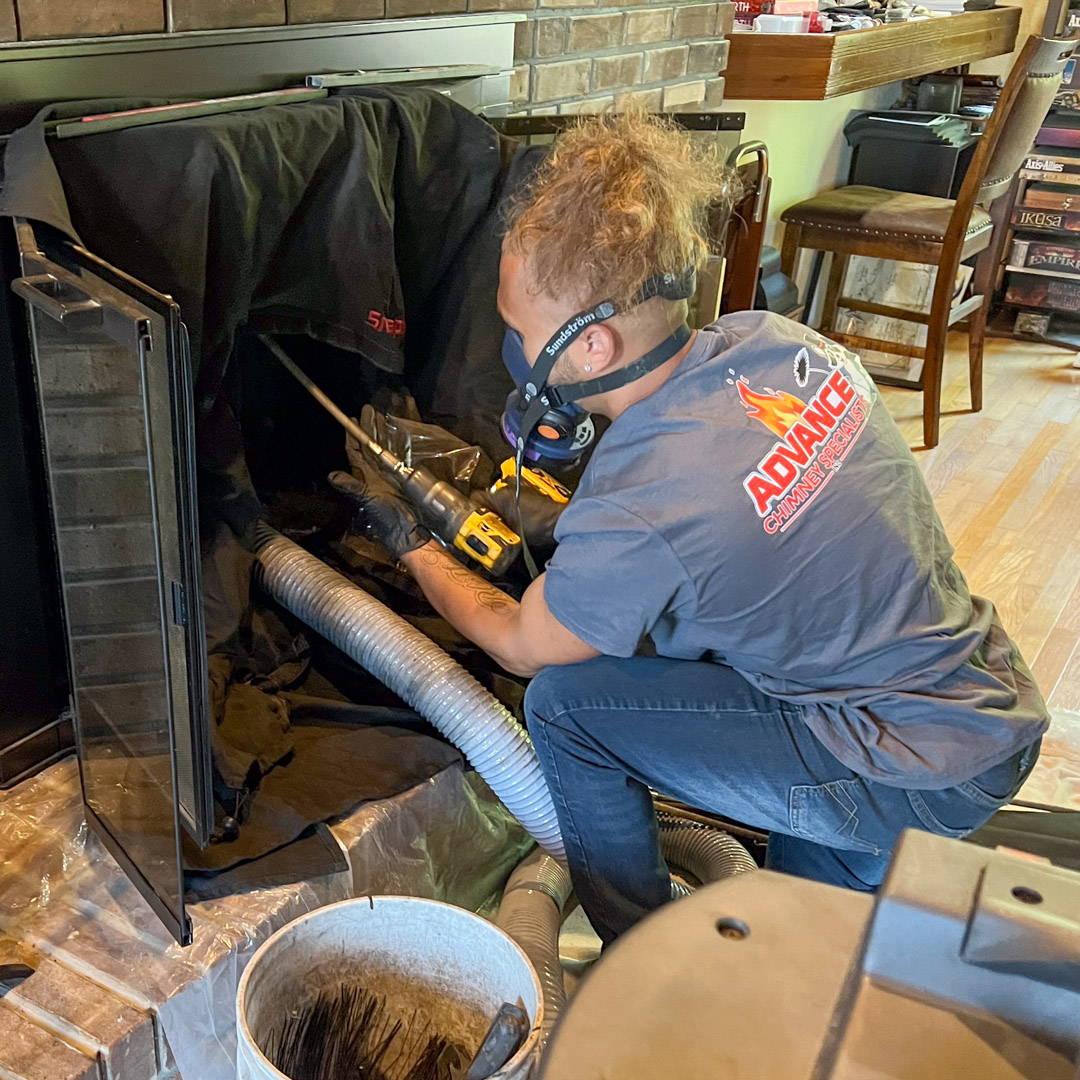 If your fireplace smells like a campfire even when it hasn’t been used recently, creosote is likely the culprit.
Creosote is a sticky, tar-like substance that forms when wood smoke condenses inside your chimney flue. Over time, it builds up along the liner walls. During humid or rainy weather, creosote odors become stronger because moisture activates the smell.
What you can do:
- Schedule a professional chimney sweeping
- Only burn properly seasoned hardwood
- Avoid slow, smoldering fires that create excess smoke
Annual chimney cleanings reduce odor and can lower your risk of a chimney fire.
Moisture in the Chimney
A musty smell often points to moisture problems. Chimneys are particularly vulnerable to water intrusion, especially if the cap, crown, or flashing is damaged.
When water mixes with creosote, soot, or masonry materials, it can create a strong, sour odor that enters your home.
What you can do:
- Install or replace the chimney cap.
- Have the chimney crown inspected for cracks.
- Ensure the flashing around the chimney’s base is sealed properly.
- Consider waterproofing the masonry.
Water is the chimney’s number one enemy, and stopping it before it can do damage is key to preventing a host of chimney problems.
Negative Air Pressure
Sometimes the smell isn’t from a dirty chimney; it’s from airflow issues.
Modern homes are tightly sealed to be energy-efficient. When bathroom fans, kitchen hoods, or HVAC systems run, they create negative air pressure inside the home. This pressure pulls air down the chimney instead of allowing it to rise, bringing smoky odors into your living room.
What you can do:
- Crack a window slightly near the fireplace to balance air pressure.
- Install a top-sealing damper.
- Consult an HVAC professional if the pressure imbalance is severe
If the odor gets worse when it’s humid or when exhaust fans are running, it’s likely a draft issue.
Animal Intrusion
Another cause of strong odors is our furry and feathered friends who find their way into the chimney and leave waste or (sadly) die. Birds, squirrels, raccoons, and even bats can get into the chimney, especially if you don’t have a cap.
 What you can do:
- Install a secure chimney cap with a mesh screen.
- Have a professional inspect and remove blockages.
- Don’t attempt to remove live wild animals yourself.
Soot and Ash Residue
If you rarely clean the firebox, leftover soot and ash can absorb moisture from the air, creating a smoky, stale odor. Even unused fireplaces can smell if old ash and residue are still inside.
What you can do:
- Remove old ash regularly.
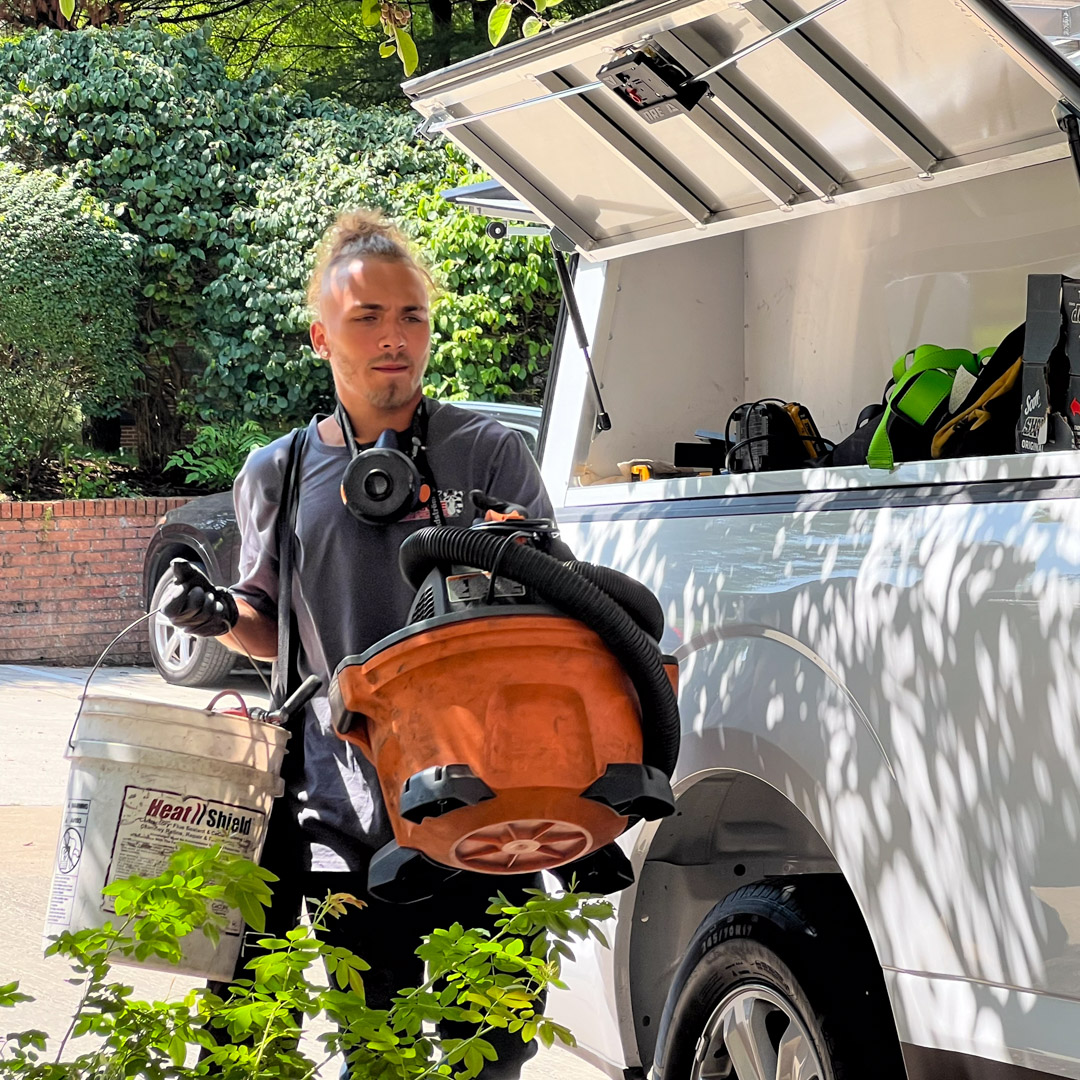
- Vacuum the firebox using a shop vac designed for fine ash.
- Schedule periodic inspections even if you rarely use the fireplace.
Damper Issues
If the damper doesn’t close properly, outside air and odors can enter the house.
A warped, rusted, or broken damper allows humid air to enter the flue, intensifying the smell of creosote and soot.
What you can do:
- Check that the damper fully opens and closes.
- Replaced the damper if it’s damaged.
- Consider upgrading to a top-sealing damper for a tighter seal.
Still Dealing With Chimney Odors? Call Advance Chimney Sweeps!
Advance Chimney Sweeps is Pittsburgh’s most reliable and trusted chimney company. We’ve proudly served the greater Pittsburgh area since 1996. Whether you’re dealing with a smelly fireplace, need an inspection, a thorough cleaning, or masonry work, we’ve got you covered. Call us today!